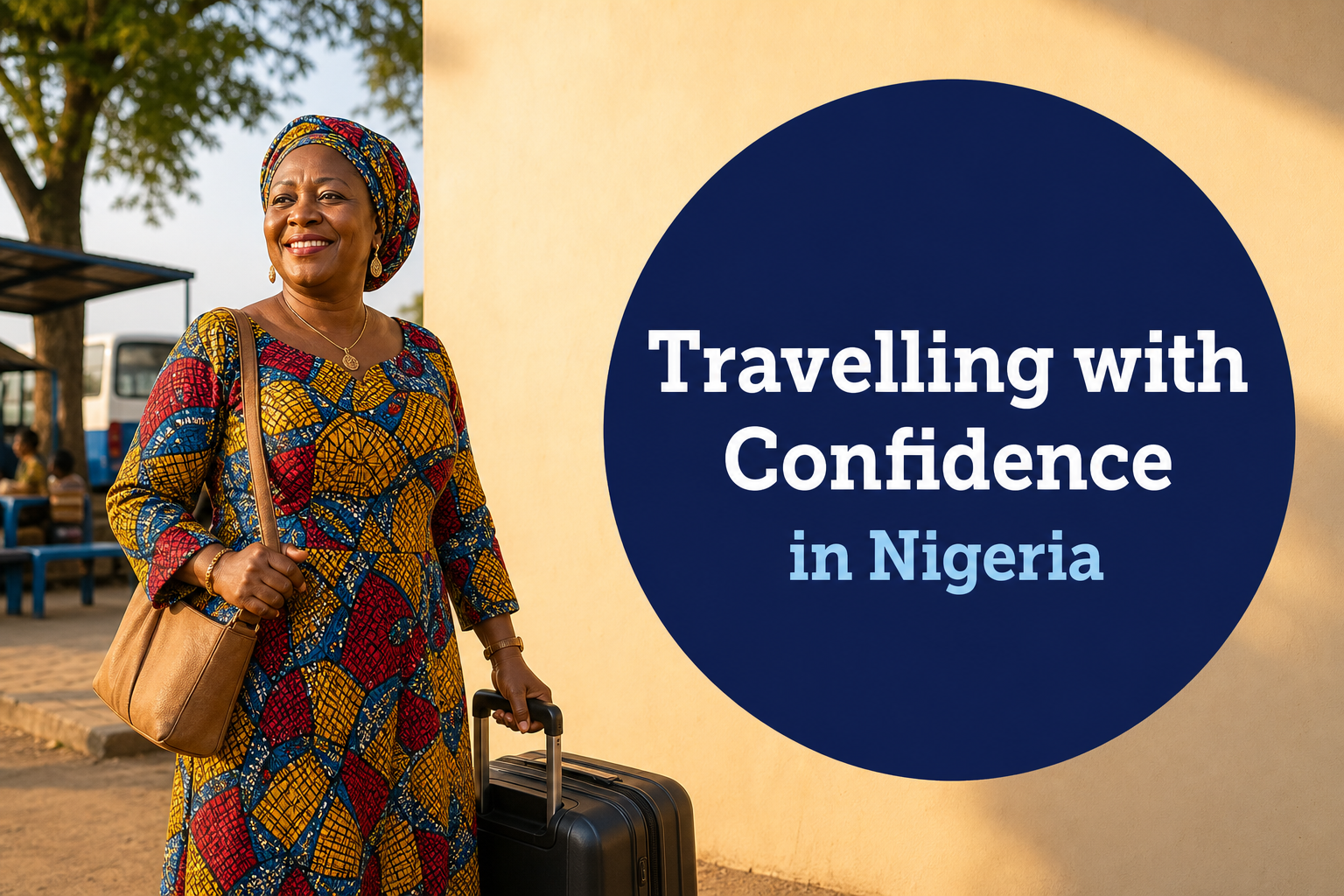
Picture this: you are boarding a bus from Lagos to Ibadan, knowing the journey will take at least three hours with no toilet stop in sight. The heat is pressing down, and you feel that familiar worry about bladder leaks. If this sounds familiar, you are not alone. Many Nigerians living with incontinence avoid travel altogether, but with the right preparation, you can still enjoy trips to see family, attend church events, or even take that long-awaited holiday.
Incontinence affects millions of Nigerians, yet it remains a topic few discuss openly. Whether you manage stress incontinence, urge incontinence, or a more severe condition, travelling does not have to be off limits. This guide covers everything you need for stress-free travel in Nigeria.
Before you set out, map the route and identify stops with toilet facilities. Major bus parks like Mile 2, Oshodi, and Jibowu in Lagos have public toilets, even if basic. On the Lagos-Ibadan expressway, popular rest stops at Lafenwa and Sagamu Interchange have facilities where you can freshen up.
When travelling with friends or family, let one trusted person know about your needs. They can help you navigate stops without drawing attention. It is also worth timing your fluid intake: drink water regularly but reduce intake an hour before the journey, especially in Nigeria’s hot weather.
Not all incontinence products are equal when it comes to travel. For long journeys, you need maximum absorbency and leak-proof design. Products like Dignity Pants Maxi or Tena Comfort Extra Plus are excellent for extended wear. They offer odour control and stay secure even when you are sitting for hours.
Pack a discreet travel kit: two to three spare pants or pads, wet wipes, disposable bags, a change of underwear, and a small plastic sheet for sitting on. Keep everything in a compact bag that looks like an ordinary handbag or backpack. Nobody needs to know what is inside.
Church services in Nigeria can run for three hours or more, especially during thanksgiving Sundays, harvest celebrations, or overnight vigils. Sitting through an entire service without access to a toilet can be stressful if you have bladder control issues.
Arrive early and sit on an aisle seat near the exit. This gives you a quick exit to the toilet without disturbing the whole row. Many larger churches in Lagos, Abuja, and Port Harcourt now have accessible toilets. If you are attending a service at a smaller church or a family compound, scope out the toilet location before the service starts.
For overnight church programmes, wear a high-absorbency product and pack your travel kit. You will sleep more soundly knowing you are protected.
Nigeria’s heat and humidity can make wearing incontinence products uncomfortable. Skin irritation and rashes are common, especially during the dry season from November to March when temperatures in cities like Kano, Maiduguri, and Lagos can exceed 35°C.
Choose breathable, cotton-feel products rather than plastic-backed ones. Change your protection more frequently in hot weather, and use a barrier cream or zinc oxide ointment to protect your skin. A small handheld fan or cooling towel can also make a huge difference during outdoor events.
Despite the best planning, accidents can happen. Do not panic. If you are on public transport, ask the driver to stop at the next garage or motor park. Carry a spare change of clothes and wet wipes in your travel kit. Many fuel stations along major highways now have decent toilet facilities where you can clean up.
Remember that most people are too busy with their own concerns to notice. The anxiety around accidents is often worse than the reality. Confidence comes from preparation, not perfection.
If you are flying domestically from Lagos to Abuja or Port Harcourt, airlines in Nigeria generally allow you to use the lavatory during the cruise portion of the flight. Book an aisle seat near the rear of the plane, which is closer to the toilets. Inform the flight attendant discreetly if you need extra assistance; they are trained to handle such requests.
Wear a high-absorbency product as a backup even if you do not think you will need it. The peace of mind alone is worth it. Pack spares in your carry-on, not your checked luggage, in case your bag is delayed.